When planning construction or renovation projects in Kentucky, especially those involving concrete, flooring systems, or site development, regulatory compliance is just as important as craftsmanship. One of the most influential regulatory bodies in this area is the Kentucky Division of Water (KDOW). Its Construction Standards directly impact how commercial and residential projects are designed, built, and maintained across the Commonwealth.
For property owners, developers, interior designers, and contractors in Lexington, Kentucky, understanding these standards helps ensure long-lasting surfaces, environmental protection, and code-compliant installations.
Understanding the Kentucky Division of Water
The Kentucky Division of Water, a branch of the Energy and Environment Cabinet, is tasked with protecting the Commonwealth’s water through strict technical specifications. Their authority, detailed in 401 KAR 5:005, covers everything from wastewater collection to the protection of groundwater during active construction.
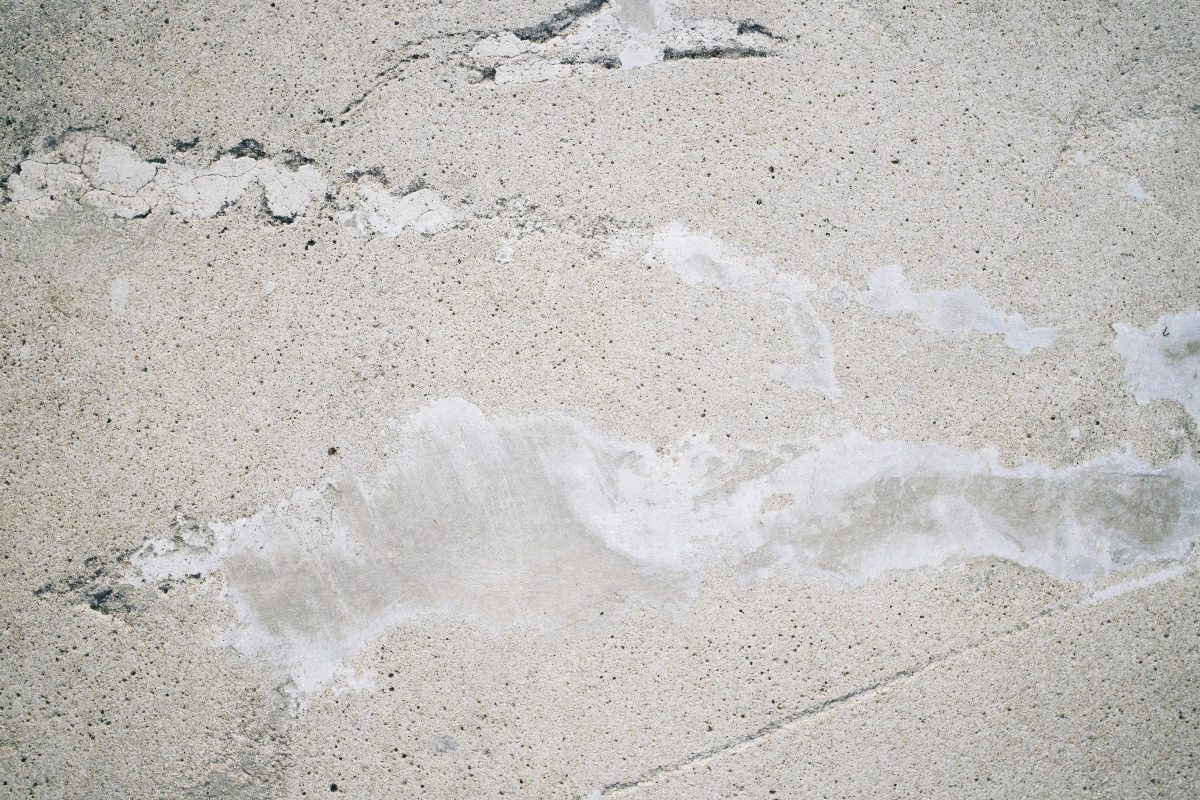
Because Central Kentucky sits on Karst topography—a landscape of porous limestone with direct links to underground aquifers—these standards are particularly stringent. In the Bluegrass region, a floor crack is a potential pipeline for pollutants to reach our drinking water. This is why Groundwater Protection Plans (GPP), governed by 401 KAR 5:037, often mandate high-performance, non-porous surfaces for facilities handling chemicals or oils.
How DOW Standards Dictate High-Performance Flooring
While many associate the Division of Water with sewers and dams, their construction standards directly influence interior and exterior surface requirements, particularly in commercial and industrial settings.
1. Secondary Containment & The “Seamless Bowl”
For facilities dealing with oils, chemicals, or wash-water, the Division of Water emphasizes containment. We solve this by installing Integrated Cove Bases. Instead of a 90-degree seam where the floor meets the wall (a common point of failure and leakage), we create a seamless transition. This turns your entire floor into a liquid-tight basin, ensuring no contaminants reach the sub-soil.
2. Moisture Vapor Transmission (MVT)
Kentucky’s high water table can cause “osmotic blistering” in standard coatings. DOW-aligned projects require durable surfaces that won’t delaminate and create environmental hazards. We utilize ASTM F2170 (Relative Humidity testing) to measure moisture within the slab. If the slab exceeds safe levels, we apply specialized MVT primers capable of withstanding up to 20 lbs of pressure, ensuring the environmental barrier remains intact for decades.
3. Concrete Washout and Site BMPs
During the “grind and seal” or pouring process, we adhere to Best Management Practices (BMPs) as outlined in the Stormwater Construction General Permit (KYR10). Concrete slurry has an incredibly high pH and is toxic to aquatic life. We ensure all byproduct is contained and neutralized on-site, protecting Lexington’s storm drains and the Kentucky River Basin.
Technical Precision: Meeting the “Ten State Standards”
The Division of Water often references the “Ten State Standards” (Recommended Standards for Wastewater Facilities) for industrial infrastructure. When we install flooring in food processing plants, auto centers, or warehouses, we utilize these benchmarks to guide our work:
- Moisture Mitigation: We perform ASTM F2170 testing to ensure concrete moisture vapor transmission (MVT) won’t cause the floor to fail, which could lead to environmental leaks.
- Integrated Cove Bases: By extending the flooring material up the wall, we create a “seamless bowl” that satisfies DOW requirements for containment in wash-down areas.
The Wolfcrete Advantage: Compliance-Minded Craftsmanship
Working with a contractor who understands Division of Water Construction Standards reduces your risk of fines, delays, and premature floor failure. Our process in Lexington and Central Kentucky is built on these regulatory pillars:
- Mechanical Surface Preparation: We follow CSP (Concrete Surface Profile) guidelines to ensure a permanent bond, preventing the peeling and cracking that compromise environmental protection.
- Advanced Testing: From pH testing to moisture mapping, we use scientific data to verify that your slab meets state-mandated environmental safety levels.
- Local Expertise: Serving Richmond, Georgetown, and Nicholasville, we are familiar with the specific soil and drainage challenges of the Bluegrass region.
Build with Authority. Build with Wolfcrete.
Whether you are upgrading a medical lab in Frankfort or a warehouse in Winchester, adhering to KDOW Construction Standards protects your investment and our Commonwealth’s water resources. By combining the rigorous standards of the American Concrete Institute (ACI) with local KDOW mandates, Wolfcrete delivers surfaces that are as responsible as they are resilient.
Don’t leave your project’s regulatory standing to chance. Contact Wolfcrete today for a professional assessment of your concrete or epoxy flooring needs in Lexington and beyond.