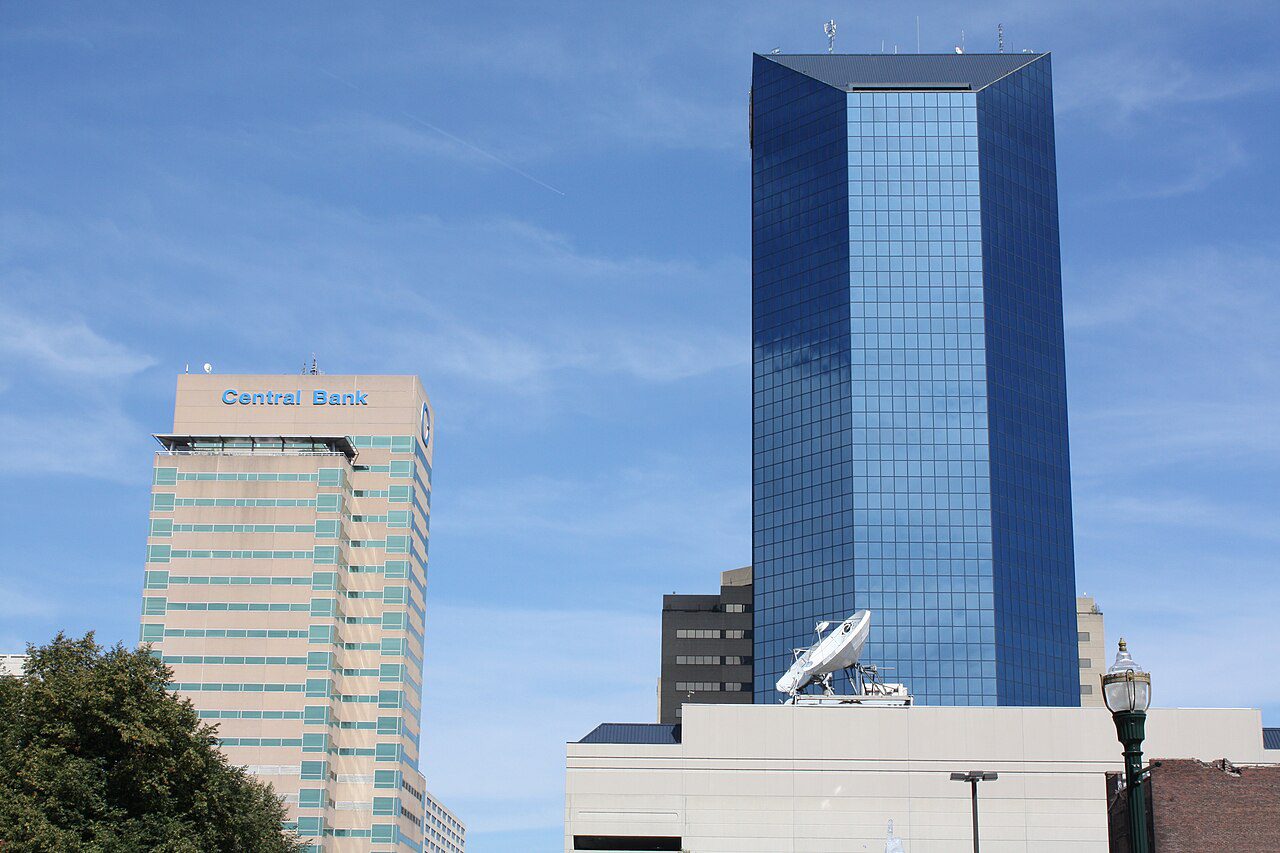
Downtown Lexington, Kentucky stands as the historic and cultural heart of the city, anchoring the region’s identity as the Horse Capital of the World and serving as a dynamic urban core where heritage and modern life converge. As the commercial, civic, and social hub of Lexington — the second-largest city in the state — Downtown offers a blend of historic architecture, entertainment venues, cultural landmarks, thriving businesses, and walkable districts that reflect both the city’s past and its contemporary evolution.
Historical Roots and Urban Beginnings
Lexington’s origins trace back to the late 18th century, when settlers founded the town in 1775 well before Kentucky became a state. Named after the Revolutionary War battle in Massachusetts, the settlement rapidly grew due to its strategic location in the fertile Bluegrass region, attracting traders, frontiersmen, and entrepreneurs.
The earliest streets of the city were laid out in a grid pattern that still influences downtown’s layout today. As Lexington prospered, its central business district became home to a mix of civic buildings, commercial enterprises, and residences, many of which evolved over time into the historic structures that define Downtown’s character.
Downtown’s Layout
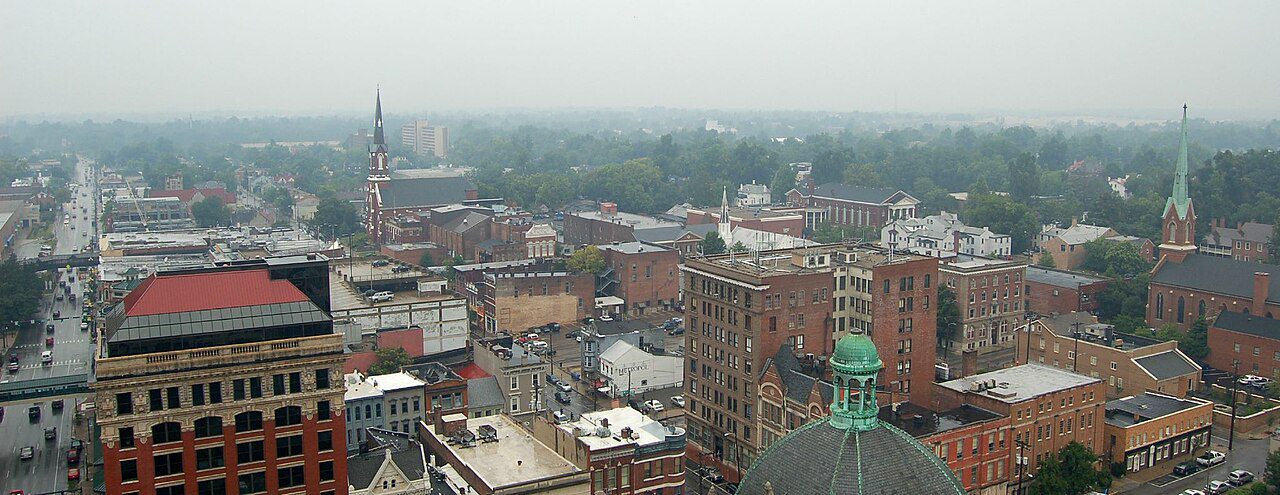
Downtown Lexington encompasses a compact but vibrant area defined by intersecting streets like Main Street, Vine Street, Short Street, and Mill Street. This walkable grid places business, culture, dining, and public spaces within easy reach of one another, supporting both residents and visitors alike. Businesses, condos, historic buildings, and public parks are interspersed throughout the core, creating a diverse environment for work and recreation.
At its center lies Triangle Park, a landmark public space where community gatherings and outdoor events frequently take place. Close by, the historic Downtown Commercial District — roughly bounded by Main Street, Church Street, Walnut Street, and Broadway — houses a concentration of architecturally significant buildings dating from the 19th and early 20th centuries.
Many of these structures exhibit Federal, Greek Revival, Italianate, Victorian, and Beaux-Arts design influences, reflecting downtown’s layered history.
Key Districts and Neighborhoods
Downtown Lexington is not a monolithic space but comprises several distinct districts and adjacent neighborhoods that contribute to its rich tapestry of experiences.
1. Downtown Commercial District
The Downtown Commercial District is the historic core of Lexington’s central business area. This district is recognized on the National Register of Historic Places and contains dozens of contributing properties that showcase a range of architectural styles and historic uses.
Among its standout landmarks are vintage commercial blocks and former retail spaces that were once the epicenter of trade and civic commerce. Historic structures like the McAdams and Morford Building and the Higgins Block line West Main Street, each carrying stories of commercial life and community evolution from the 19th century onward.
2. Gratz Park and Surrounding Historic Districts
Just north of the urban core lies Gratz Park Historic District, a small but significant neighborhood that blends green space with some of Lexington’s oldest residences. Established outside the original early boundary of the city, this district includes homes and civic buildings that date back to the city’s formative years, including examples of Greek Revival and Gothic architecture.
Walking paths around the park provide a scenic transition between downtown’s commercial energy and the quieter residential streets that honor early Lexington families and institutions.
3. North Side and Woodward Heights
Directly adjacent to downtown, neighborhoods like the North Side and Woodward Heights anchor the transition from the commercial core to residential and cultural enclaves. The North Side, bordered by Limestone Street and Second Street, includes access to historic parks like Gratz Park and proximity to Transylvania University’s heritage.
In Woodward Heights, historic homes share architectural significance and community identity, blending residential life with the broader urban fabric near Lexington’s Convention Center and entertainment venues.
4. Speigle Heights and Southend Park
Southwest of the core lies Speigle Heights, bridging the active downtown environment with neighboring districts and smaller local businesses. Southend Park, another adjacent area, adds a mixed-use dimension to the district with residential and commercial presences that reflect Downtown’s ongoing growth and modernization.
Cultural and Civic Highlights
Downtown Lexington hosts a range of concert venues, theaters, public art, and civic spaces. Historic performance houses such as the Lexington Opera House and the Kentucky Theatre anchor downtown’s cultural footprint, drawing audiences for plays, concerts, and film screenings.
Further west, the Old Fayette County Courthouse stands as a prominent civic landmark. Constructed in the late 19th century in Richardsonian Romanesque style, it serves as a reminder of Lexington’s legal and administrative heritage while now accommodating civic functions and community events.
Walking tours of historic sites — from library landmarks to churches and century-old residences — offer immersive experiences into the story of Downtown Lexington’s evolution from a frontier settlement into a thriving modern city.
Modern Growth and Future Direction
While Downtown Lexington honors its past, it is also a living, evolving downtown. Strategic planning initiatives, including the city’s Downtown Master Plan, aim to guide future growth sustainably while preserving historic character and enhancing public spaces. These efforts seek to integrate new development, transportation improvements, and active community engagement so that downtown remains vibrant for generations to come.
Today, Downtown Lexington exemplifies a city that celebrates heritage and fosters innovation — where historic commercial blocks and modern condos coexist, and where cultural institutions sit alongside new restaurants and thriving small businesses. The continued investment in downtown infrastructure, parks, art, and pedestrian-friendly design underscore Lexington’s commitment to maintaining a dynamic heart for both residents and visitors.